Impact of Long-Term Phytoplankton Research on the Northern Adriatic Marine Ecosystem
Phytoplankton may be tiny, but their role in marine ecosystems is enormous. Recent research from the Ruđer Bošković Institute’s Center for Marine Research in Rovinj reveals significant changes in phytoplankton communities in the northern Adriatic Sea. These changes hint at deep ecological shifts in one of the Mediterranean's most productive marine regions. This blog post explores the findings of this 24-year study, explaining why phytoplankton matter and what their changing patterns mean for the northern Adriatic ecosystem.

Phytoplankton are microscopic organisms that live near the water surface. They use sunlight to convert carbon dioxide (CO₂) into organic matter through photosynthesis. This process makes them primary producers—the base of the marine food web. Without phytoplankton, marine animals from tiny zooplankton to large fish would lack food.
In the northern Adriatic Sea, phytoplankton support a rich ecosystem that sustains fisheries and biodiversity. They also play a key role in regulating atmospheric CO₂ by absorbing it during photosynthesis, helping to mitigate climate change effects.
What the 24-Year Study Revealed
Scientists from Center from marine research analyzed phytoplankton biodiversity data collected over nearly a quarter-century. This long-term dataset allowed them to detect trends and shifts that short-term studies might miss. Key findings include:
Changes in species composition: Some phytoplankton species have become more dominant, while others have declined or disappeared.
Shifts in seasonal patterns: The timing of phytoplankton blooms has altered, affecting the availability of food for other marine organisms.
Impact of environmental factors: Temperature increases, nutrient availability, and human activities influence phytoplankton diversity and abundance.
These changes suggest that the northern Adriatic ecosystem is undergoing a transformation that could affect its productivity and resilience.
Environmental Drivers Behind the Changes
Several factors contribute to the observed shifts in phytoplankton communities:
Rising sea temperatures: Warmer waters favor some species over others, altering the balance of phytoplankton types.
Nutrient inputs: Changes in nutrient levels from rivers, agriculture, and urban runoff affect phytoplankton growth and species dominance.

The Importance of Long-Term Monitoring
This study highlights the value of long-term ecological monitoring. Short-term snapshots can miss gradual trends or natural variability. Continuous data collection over decades reveals:
Slow but steady changes in species composition and ecosystem function.
Responses to climate variability and human impacts.
Baseline conditions against which future changes can be measured.
Long-term research supports better management of marine resources and helps policymakers make informed decisions to protect marine ecosystems.
What This Means for the Northern Adriatic and Beyond
The northern Adriatic Sea is a hotspot of marine productivity and biodiversity. Changes at the phytoplankton level could:
Affect local fisheries that communities depend on for food and income.
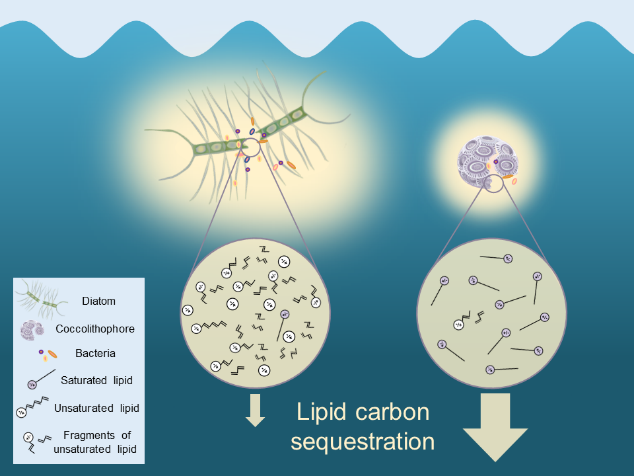
Alter nutrient cycling and carbon sequestration, influencing climate regulation.
Reduce ecosystem resilience, making it more vulnerable to environmental stress.
Protecting this ecosystem requires continued research, pollution control, and sustainable resource management.
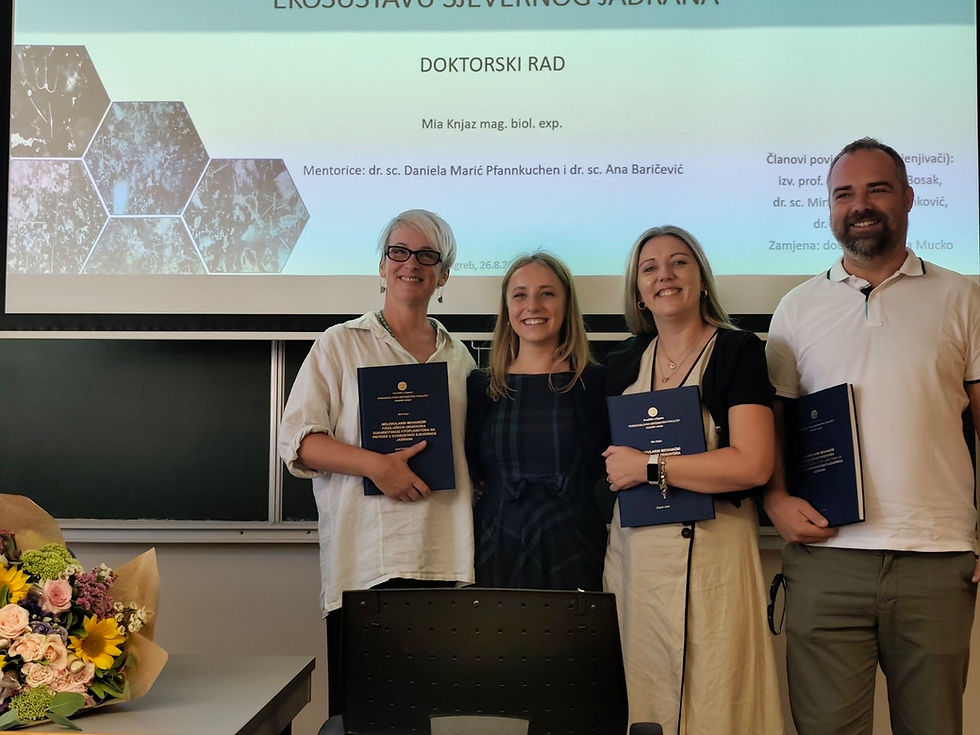
The study was conducted by a team of scientists from the Laboratory for Evolutionary Ecology at the Center for Marine Research in Rovinj. In addition to PhD student Ivan Vlašiček and Dr. Pfannkuchen, the team includes Dr. Daniela Marić Pfannkuchen, Dr. Mirta Smodlaka Tanković, Dr. Ana Baričević, Dr. Nataša Kužat, PhD students Mia Knjaz, Lana Grižančić, and Ivan Podolšak, as well as Dr. Tjaša Kogovšek.
The Center for Marine Research in Rovinj, an integral part of the Ruđer Bošković Institute, continues to lead interdisciplinary marine ecosystem research. The Center’s ongoing efforts contribute essential knowledge for the sustainable management of marine resources and the conservation of marine life, ensuring that the northern Adriatic remains a vibrant and productive marine region for future generations.
This research was funded by the Croatian Science Foundation and supported by the EU project JERICO-S3 under the Horizon 2020 programme, as well as by the Interreg Italy–Croatia projects AdriaClim, Marless, and Cascade.

Comments